Planning an event involves plenty of decisions, but few have as much influence on the guest experience as the food. From a corporate luncheon to a wedding reception, the catering service you choose influences the menu, meal timing, and overall flow of the event.
Finding the right caterer involves more than comparing menus and prices. Understanding your event’s needs, the available service options, and what’s included in a catering proposal can help you make an informed decision.
Start With the Type of Event You’re Planning
The purpose of your event should guide your initial catering decisions. A business luncheon has different needs than an evening wedding reception, and a casual family celebration may call for a different approach than a formal dinner.
Consider how meal service will fit into the event’s schedule and atmosphere:
- Corporate meetings and luncheons: Meals that are easy to serve and enjoy within a scheduled break can help keep the day on track.
- Weddings and receptions: A planned meal service or cocktail hour can complement the overall flow of the celebration.
- Private celebrations: Birthdays, anniversaries, and family gatherings may benefit from a more relaxed dining format that encourages conversation.
- Formal functions: Events with a structured agenda may require more precise coordination between meal service and scheduled activities.
Before contacting caterers, outline the occasion, venue, approximate attendance, and general schedule. These details provide a useful starting point for discussing available services and menu possibilities.
If you haven’t selected a venue, hosting your gathering in a restaurant’s private event space may be an alternative to arranging off-site catering.
Consider Your Guest Count and Serving Style
The number of attendees influences several aspects of catering, including food quantities, staffing, service timing, and venue arrangements.
It’s helpful to have an estimated guest count early in the planning process, even if the final number won’t be confirmed until closer to the event. Ask prospective caterers when they need a final headcount and how changes might affect the proposal.
You’ll also want to consider how the meal will be served. Common options include:
- Plated meals: Guests receive individually prepared courses at their tables, creating a more structured dining experience.
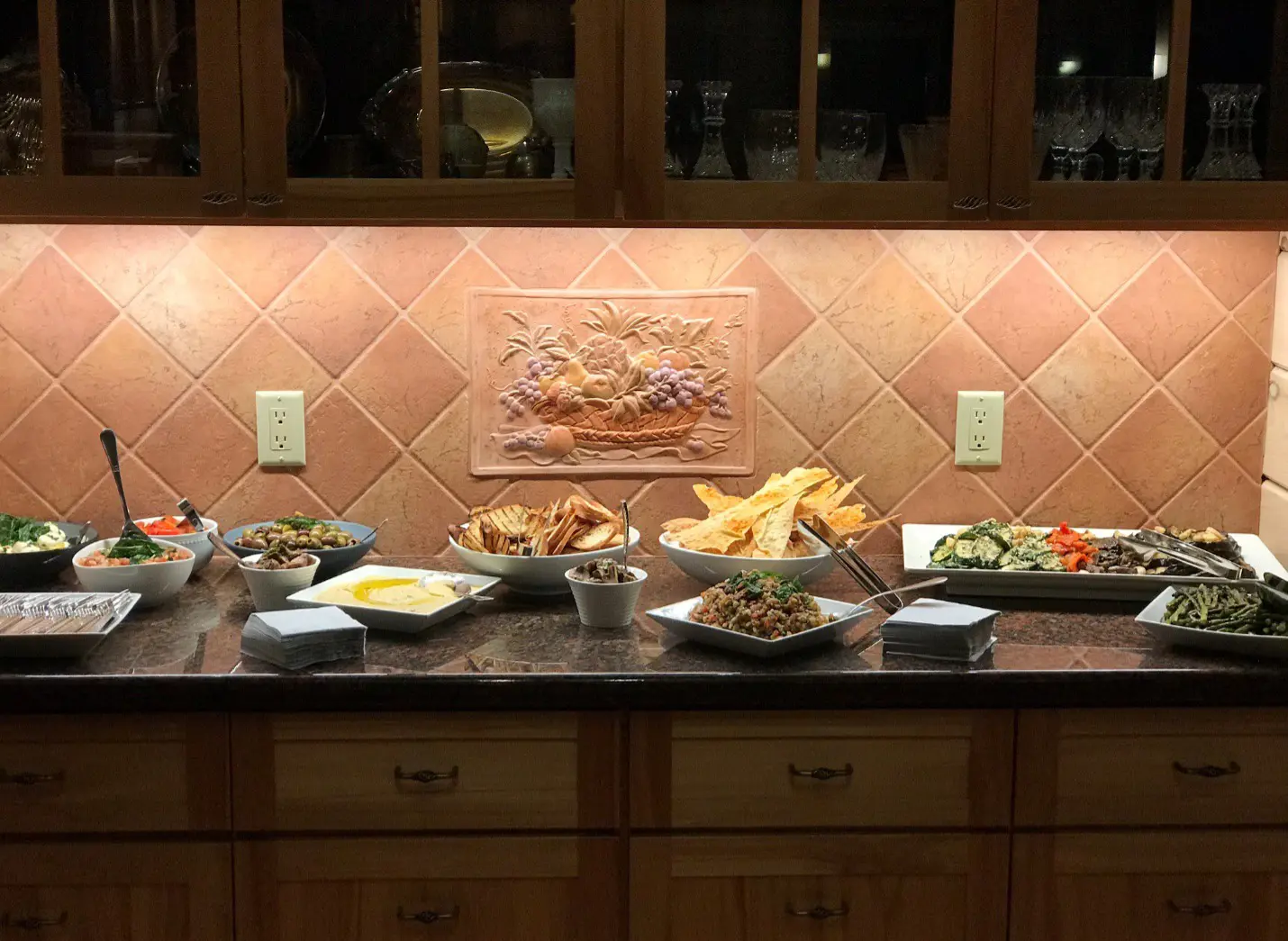
- Buffet service: Attendees select from several dishes, allowing for greater flexibility in portions and preferences.
- Cocktail-style receptions: Appetizers and smaller portions allow guests to mingle without a traditional seated meal.
Each approach has practical considerations. A plated dinner may require assigned seating and a coordinated service schedule, while a buffet needs adequate space for food stations and guest movement.
The best choice depends on the event’s atmosphere, available space, and how much time you’ve allotted for dining.
Look for Flexibility in the Menu
A catering menu should complement the occasion while providing appealing choices for the people attending.
Some caterers offer predetermined packages, while others allow clients to customize their menus. Understanding these options can help you choose a provider that accommodates your preferences and budget.
When reviewing menu options, consider:
- Guest preferences: Think about the types of dishes your attendees are likely to enjoy.
- Dietary needs: Ask how the caterer handles food allergies, vegetarian selections, and other dietary requests.
- Seasonal ingredients: Menus that incorporate ingredients available at different times of year may offer additional variety.
- Event timing: Breakfast meetings, afternoon receptions, and evening dinners each call for different food selections.
- Budget: Discuss your anticipated spending range early so menu recommendations remain practical.
Rather than focusing exclusively on the number of dishes offered, pay attention to how well the selections work together. A thoughtfully planned menu should provide enough variety without becoming unnecessarily complicated.
Ask whether substitutions or adjustments are available and when menu selections must be finalized.

Ask About What’s Included Beyond the Food
Two catering proposals with similar menu prices may include very different services. Before making a decision, request a clear explanation of what the quoted price covers.
Depending on the provider and event, catering arrangements may involve food preparation, delivery, setup, service staff, equipment, and cleanup. Some services are included in the base price, while others may be available for an additional fee.
Questions worth asking include:
- Will the caterer provide staff to serve food and beverages?
- Who is responsible for setting up and clearing dining areas?
- Are plates, utensils, glassware, and linens included?
- Does the caterer supply equipment needed to maintain appropriate food temperatures?
- Are there delivery, staffing, or other service charges?
- What responsibilities remain with the venue or event organizer?
These details can help you compare proposals more accurately and avoid unexpected expenses.
If you’re hosting an event at a rented venue, it’s also important to confirm any catering restrictions, kitchen access requirements, and policies regarding outside vendors.
Understand the Planning Timeline
Catering arrangements are easier to manage when important decisions are made well before the event.
Start by checking availability for your preferred date, particularly if you’re planning a wedding, large gathering, or event during a busy season. Once you’ve identified a potential caterer, discuss the steps required to secure the booking.
As planning progresses, establish deadlines for menu selections, guest counts, dietary requests, and any additional services.
It’s also useful to confirm logistical details such as:
- When catering staff can access the venue
- Where food preparation and service will take place
- What time guests are expected to eat
- How long meal service should last
- Who will serve as the primary contact on the event day
Confirming these details helps the catering team coordinate with your venue and other vendors.
Before the event, review the final arrangements in writing so everyone has the same expectations regarding timing, services, and costs.
Find Catering in Harrisburg, PA, With Greystone Public House
Greystone Public House provides off-premise catering in Harrisburg, PA, and the surrounding area for weddings, corporate gatherings, social celebrations, government functions, and other occasions.
Rather than limiting clients to fixed menu packages, Greystone works with event organizers to develop customized selections based on their preferences, budget, and seasonal ingredients.
Catering options include breakfast, lunch, dinner, reception, and beverage menus, with service formats ranging from plated meals and buffets to cocktail hours. Event coordination is also available, along with optional linens and tableware for an additional charge.
Planning an upcoming event? Visit Greystone Public House’s off-premise catering page to review available options and inquire about your event.