

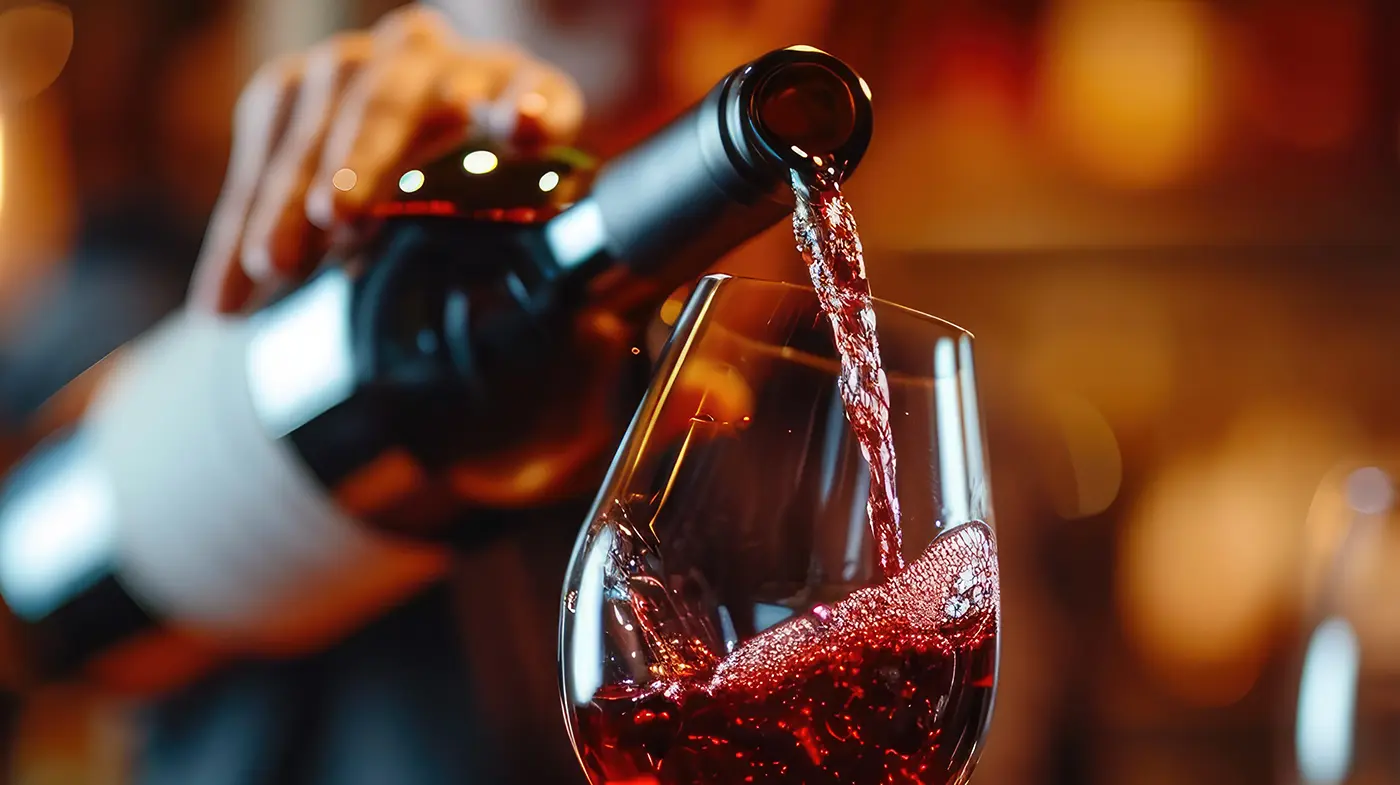
You’ve found something on the dinner menu, and now comes the next decision: what wine should you order with it?
Maybe you’re celebrating a special occasion, trying a new dish, or simply looking to branch out from your usual glass of red or white. Either way, a good pairing can bring out the flavors you might otherwise miss.
The good news? You don’t need an extensive wine collection or a sommelier’s vocabulary to make a great match. A little guidance can make choosing your next glass much easier.
Start With the Weight of the Wine and the Dish
One of the easiest ways to approach wine pairing is to think about how rich or delicate your meal is.
A light, crisp wine may get lost alongside a hearty steak, while a bold red can overpower something as delicate as a mild white fish.
Try matching the intensity of the wine to the food:
- Light dishes: Sauvignon Blanc, Pinot Grigio, and other refreshing whites often complement salads, seafood, and lighter preparations.
- Medium-bodied meals: Pinot Noir and unoaked Chardonnay can work nicely with roasted chicken, pork, and dishes with earthy flavors.
- Rich, hearty entrees: Cabernet Sauvignon, Syrah, and other full-bodied reds can stand up to beef, lamb, and deeply flavored sauces.
Think of it like balancing the volume on two speakers. You want to hear both clearly, without one drowning out the other.
The Sauce Can Change Everything
Two people can order chicken and end up with completely different wine pairings.
Picture one plate featuring roasted chicken with herbs and another covered in a rich, creamy sauce. Even though the main ingredient is identical, the flavors and textures call for different approaches.
The same goes for pasta. A light lemon sauce, a hearty meat ragù, and a spicy tomato preparation each bring something different to the table.
When you’re choosing wine, pay attention to the strongest flavors on your plate. Sometimes the sauce or seasoning matters more than the protein itself.
Get to Know a Few Reliable Pairings
Some food and wine combinations have earned their reputation for a reason. They’re dependable choices when you’re feeling indecisive.
Steak
Wine to TryCabernet Sauvignon
Why It WorksFirm tannins pair well with the richness of beef.
Salmon
Wine to TryPinot Noir
Why It WorksIts lighter body and moderate tannins complement richer fish.
Roasted Chicken
Wine to TryChardonnay
Why It WorksA fuller-bodied style can match the savory flavors of roasted poultry.
Tomato-Based Pasta
Wine to TryChianti
Why It WorksBright acidity complements the tomato sauce.
Fried Appetizers
Wine to TrySparkling Wine
Why It WorksBubbles and acidity help refresh the palate between bites.
Chocolate Dessert
Wine to TryRuby Port
Why It WorksIts sweetness and rich fruit flavors complement chocolate.
Of course, these aren’t strict rules. A buttery Chardonnay and a crisp, unoaked Chardonnay can taste quite different, even though they’re made from the same grape.
Don’t Overlook Acidity, Sweetness, and Tannins
Wine descriptions can sound intimidating, but three common characteristics explain a lot about how wine interacts with food.
Acidity gives wine its crisp, mouthwatering quality. Think of the brightness you get from a squeeze of lemon. Wines with higher acidity can be especially appealing with rich, buttery, or fried foods.
Sweetness can balance heat and salty flavors. Off-dry wines, which have a little residual sugar, are often enjoyable with spicy dishes.
Tannins create the drying sensation you may notice after sipping a bold red. They come primarily from grape skins, seeds, and stems, as well as oak aging. Tannic wines often work well with protein-rich foods, particularly red meat.
No memorization required. Recognizing these characteristics can make a wine list much easier to navigate.
Can You Break the Wine Pairing Rules?
You’ve probably heard the old rule: white wine with fish, red wine with meat.
It’s a useful starting point, but there are plenty of exceptions.
A lighter red can work with richer seafood, while a full-bodied white may complement a savory meat dish. Even the way something is prepared can change which wines taste best alongside it.
Ultimately, personal preference matters. If you love a particular wine, there’s no reason you can’t enjoy it with your favorite meal.
When in Doubt, Ask for a Recommendation
Restaurant wine lists can introduce you to bottles and grape varieties you might never pick up at the store.
If you’re unsure where to begin, tell your server what you’re ordering and what types of wine you usually enjoy. You can also mention your preferred price range.
For example, saying “I usually like lighter reds, but I’m having steak tonight” gives someone much more to work with than simply asking for a good red wine.
And if you’re dining with someone who orders a completely different entree, there’s no pressure to find one bottle that perfectly complements both meals. Ordering individual glasses gives everyone the freedom to try something suited to their plate.
Explore Food and Wine at Greystone
At Greystone Public House in Harrisburg, PA, seasonal American cuisine and a thoughtfully selected beverage menu offer plenty of opportunities to discover new combinations.
The restaurant’s main menu features dishes ranging from seafood and handmade pasta to hearty meat entrees, while the drinks menu includes a selection of red, white, rosé, and sparkling wines.
Ready to put your new wine pairing knowledge to the test? Explore Greystone’s menus and make a reservation for your next night out.